Tuesday Night, Somewhere Else: The Quiet Case for a One-Night Bungalow Break

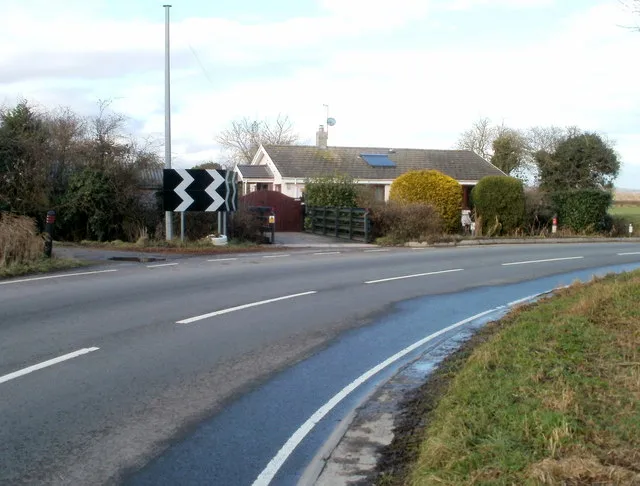
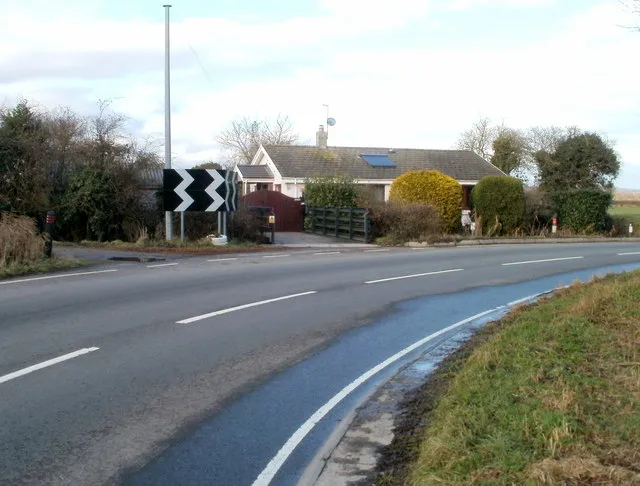
Photo: cosy single-storey bungalow exterior frosty morning UK countryside garden, via i.ytimg.com
There's a particular kind of tiredness that sets in around November. It isn't the bone-deep exhaustion of a long hike or a house move. It's the low hum of a week that started on Monday and already feels two laps ahead of you, and a weekend that will be gone before you've properly sat down.
Most of us answer that feeling with a big gesture. A week in Cornwall. A long weekend in the Lakes. Something to look forward to, booked eight months out, costing roughly the same as a small car. And then the trip arrives, and you spend the first day decompressing and the last day dreading the drive home.
There is a smaller, cheaper, considerably less discussed option: one night. A single Tuesday in a bungalow an hour and a half from your own kettle.
One night is not a compromise
We're trained to think short breaks are the diluted version of proper holidays, the skimmed milk of travel. But a single night does something a week often fails to do — it interrupts the rhythm. You wake up somewhere else, with different light coming through different curtains. You have one evening and one morning, and because there's so little of it, you actually pay attention.
A week gives you room to postpone things. A night doesn't. You go for the walk because there's only one chance. You sit in the pub a bit longer because there's nowhere else to be. You drink the coffee on the step in the cold because the garden looks nice in the mist and you'll be back in the car by eleven.
The two-hour rule
Distance is the enemy of the one-nighter. Anything much beyond two hours' drive each way turns a restorative night into a logistics exercise, and you'll spend more time on the A-road than in the bungalow.
Two hours gets you a surprising amount of Britain. From most of the Midlands you can reach the edge of the Peak District or the Shropshire hills. From south London you're into the Kent Downs or the Sussex Weald. From Manchester you can be on the edge of the Forest of Bowland before the traffic has properly woken up. The point isn't to go far. It's to go elsewhere.
Pick your spot by drawing a circle rather than scrolling a map of the whole country. You'll find somewhere quieter, cheaper and considerably less booked up than the places that appear when you search "UK weekend away".
Choosing the right bungalow for a single night
A few things matter more than usual when you're only staying one night.
- Parking at the door. Faffing with a car park two streets away eats your evening.
- A pub within walking distance. This is the whole point. Check it's open on a Tuesday — plenty aren't in winter.
- A decent sofa and a decent kettle. If the weather turns, you want somewhere pleasant to be stranded.
- No stairs. Bungalows win here by default, and after a day at work followed by a drive, a single storey feels like a small kindness.
- A flexible checkout. An 9am departure defeats the object.
Single-storey places also tend to come with the thing you actually want on a night like this: a bit of garden, a view of something green, and neighbours far enough away that you don't feel like you're in a hotel.
Packing for a night you'll barely unpack
Resist the suitcase. One small bag, one change of clothes, toothbrush, charger, and whatever the weather demands in the way of a coat and boots.
Things people forget on a one-nighter: a torch (November afternoons are short and country lanes are dark), a proper mug if the bungalow's cups are thimble-sized, and something for breakfast. Many bungalow stays are self-catering, which is lovely in theory and slightly bleak at 8am when the only food in the place is a sad satsuma.
Equally, don't over-plan. The whole appeal is that there isn't time to do much, so pick one walk and one dinner and let the rest be empty.
The pub dinner is not optional
There's a reason the one-nighter works best in a bungalow rather than a hotel. Hotels give you a room; bungalows give you a base. And the base is only as good as what's within a ten-minute walk.
A pub dinner you didn't cook, in a room with a fire and a few locals who aren't performing for anyone, is the single most efficient mood-repair mechanism available in this country. It doesn't need to be gastropub-standard. It needs to be warm, unhurried, and close enough that you can walk back in the dark with a torch and no particular urgency.
Book it. Tuesday pubs in quiet villages can be oddly full, and being turned away at 7.30pm when you're already in your walking trousers is a deflating experience.
Mornings are the part people underestimate
The best hour of a one-night break is usually the one before anyone else is up. You've got a garden, a kettle and a completely empty diary. There's frost on the lawn, or drizzle on the window, and neither of those is a problem because you're not going anywhere in a hurry.
Check out slowly. Drive home the long way if there is one. Stop at a farm shop. Arrive back in time for lunch, with the week still technically running and a strange sense of having got away with something.
What a single night won't do
Let's be honest about the limits. One night won't fix a bad job, a hard year or a genuine need for rest. It won't give you the deep, unclenched feeling of a fortnight away. It's a top-up, not a repair.
But a top-up is exactly what most of us are short of between October and March, when the next proper holiday is still months off and the weekends are spoken for. A Tuesday bungalow, a walk, a pub, a slow morning. Repeat as necessary.
Book it as a Tuesday, not a Saturday
Midweek rates are lower, roads are quieter, pubs are friendlier and the good walks aren't a queue. Book a night for a date that isn't special, in a place that isn't famous, and see how much better the rest of the week goes.
That's the whole argument. Not a grand occasion — just an ordinary Tuesday, spent somewhere else.