When the Sky Says No: Choosing a Bungalow That Earns Its Keep in the Rain
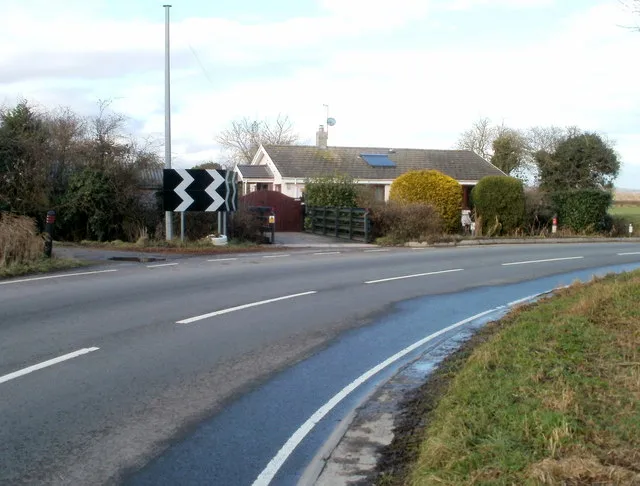
Photo: Jaggery , CC BY-SA 2.0, via Wikimedia Commons
British weather does not read the brochure. You can book a bungalow for the view, the garden and the walk to the pub, and still spend most of the week watching water run down the window. That is not a failed holiday. It is a test. And the best bungalow breaks pass it because they were chosen for the wet days as well as the dry ones.
This is the argument: judge a UK bungalow by what happens when the forecast collapses. A property that only works in sunshine is a fair-weather booking. A property with a covered porch, a real drying space and a table big enough for a jigsaw is a proper winter escape. In 2026, with so many listings chasing the same 'cosy' adjectives, you have to read between the lines.
The porch is not a small detail
A covered porch is the difference between a calm arrival and a wet scrum in the hall. It gives you somewhere to stand while you wrestle a suitcase, shake out a coat and persuade the dog that yes, this is the right house. It also gives you somewhere to leave muddy boots, wet walking jackets and a dripping pram without turning the sitting room into a puddle.
But 'covered entrance' can mean a tiny canopy over the door. Look at the photos carefully. Is there room to stand? Is there lighting? Is the ground non-slip? Does the porch actually shelter the door, or is it decorative? If you are booking for a wet winter week, ask for a photo of the entrance in the rain. A good owner will have one. A great owner will mention the boot tray before you do.
Drying space is the real luxury
Forget the roll-top bath for a moment. In a wet-week bungalow, the most valuable feature is a utility room or boot room with a heated airer, a tiled floor and somewhere to hang four wet coats. A tumble dryer is not essential, but it is a genuine upgrade when you are drying towels, dog blankets and small gloves every day.
Bungalows have an advantage here: everything is on one level, so wet kit does not have to be carried through the house and up a carpeted staircase. But single-storey does not automatically mean practical. Check whether the washing machine is in the kitchen or a separate utility. Look for hard floors near the entrance. Be suspicious of a listing that shows a beautiful cream carpet directly inside the back door and calls the property 'dog-friendly'.
A real dining table beats a breakfast bar
Rain changes the rhythm of a day. You linger over breakfast. You come back for lunch. You eat in rather than gamble on a pub garden. A proper dining table for the number of people in your party is not a luxury; it is the control room for a wet week. It holds the map, the jigsaw, the playing cards, the laptop and the mug of tea.
Check the photos for table size and chair count. A tiny bistro table for two in a four-person bungalow is a warning sign. So is a sofa that seats three in a property that sleeps six. If the listing says 'open-plan living' but shows one armchair and a bench, believe the photos, not the description.
Games, books and a telly that works
A games cupboard sounds like a nice extra until you have spent an afternoon in a bungalow with no WiFi, one paperback and a television from 2009. Ask what is actually provided. A selection of board games, a jigsaw or two, playing cards and a smart TV with streaming apps will save a wet afternoon. So will decent WiFi, especially if you have teenagers or a work call that will not wait.
Do not assume. 'Entertainment' in a listing can mean a shelf of old DVDs. 'Smart TV' can mean one that is smart but not connected. Ask whether there is a HDMI cable, a games console or a DVD player if those things matter to your group. And check the mobile signal, because a rural bungalow with no signal and no WiFi is charming for about forty minutes.
Read the listing like a sceptic
Scan for the words that signal rainy-day resilience: covered porch, boot room, utility, drying area, hard floors, enclosed garden, paved patio, porch lighting. Then look for the red flags: 'compact', 'bijou', 'ideal for a couple' when you are booking for five, and any photo that shows a beautiful rug right where wet boots will land.
Use the floor plan if there is one. Work out where the entrance is, where the coats will go and whether the bathroom is accessible from the living space. Check the map, not just the distance to the pub. A half-mile walk to a dog-friendly inn is lovely in July and a sodden trudge in January. A mile to an indoor pool, museum or market can be the difference between a good week and a long one.
Nearby indoor attractions matter more than you think
A wet-weather bungalow does not have to be near a theme park. It just needs options. A town with a proper museum, a cathedral, an indoor market, a cinema or a swimming pool gives you somewhere to go when the paths are rivers. In Norfolk, Norwich and the larger market towns offer plenty. In Yorkshire, York is an easy wet-day anchor. In the Peak District, Buxton has the pool and the pavilion. In Cornwall, the Eden Project exists precisely for the days when the coast path is horizontal rain.
Check opening times before you book, especially in winter. Some attractions shut on Mondays or close for the season. A bungalow that is twenty minutes from a closed museum is not really twenty minutes from an indoor option. Ring ahead or check the website. It is a small job that saves a large sulk.
The wet-week checklist before you pay
Ask the owner four questions: Is the entrance covered? Is there a drying space with a heated rail or airer? Is there a dining table for everyone? What is within a short drive on a wet day? The answers will tell you more than any star rating. A bungalow that passes those four is a bungalow that can carry a rainy week.
The forecast is not the point. The point is whether the bungalow gives you a plan B, C and D without making you feel like you are camping indoors. Choose for the rain and the sunshine becomes a bonus.