Kettle On, Boots By the Door: A Slow Guide to Britain's Quiet Woodland Villages
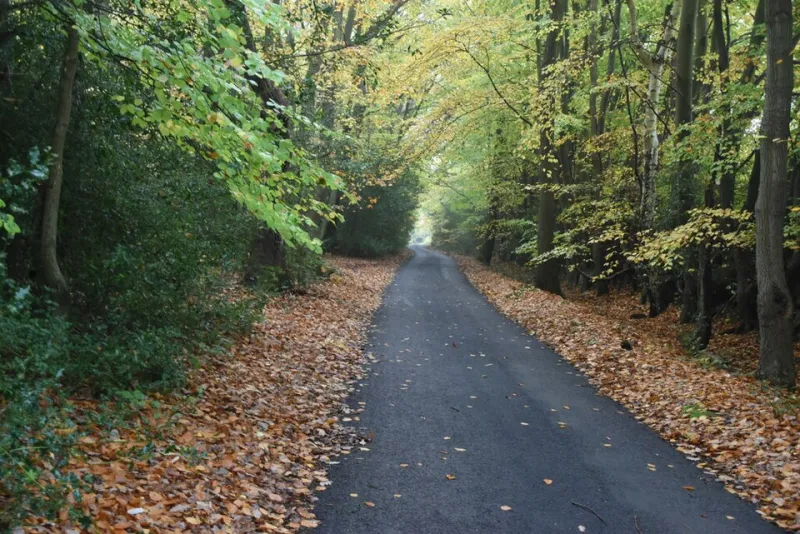
Photo: N Chadwick , CC BY-SA 2.0, via Wikimedia Commons
There is a particular kind of quiet that settles over a village when the pine needles are wet and the last school run has gone. You hear it before you see it: a gate click, a kettle lid, the tick of a bicycle freewheel. This is the Britain I want to send you to — not the honeypot villages with coach parks and queues for a cream tea, but the smaller places where the forest is the main event and the bungalow is simply the place you come back to.
Winter is a good season for this sort of trip. The trees are bare enough to show you the shape of the land, the pubs have their fires lit and the woods are quiet enough to hear a woodpecker before you see it. A single-storey stay makes the whole thing easier: muddy boots by the door, no stairs to negotiate after a long walk, and a radiator that does exactly what it says on the dial.
The bungalow test
Not every bungalow is a good base for a village. The best ones are locally owned or locally managed, sit within walking distance of the shop or pub, and make it easy to leave the car alone. Look for somewhere with a porch for wet coats, a path that does not turn into a stream in December, and an owner who can tell you which footpath is currently muddy and which pub does a decent Sunday lunch.
The other half of the test is you. A village is not a film set. If you use the shop, the pub and the bus, you are helping the place stay a place rather than becoming a backdrop. That is the difference between a bungalow break that supports a community and one that simply uses it as a bed for the night.
Santon Downham, Suffolk
On the Suffolk side of Thetford Forest, Santon Downham is a village of flint walls and pine-edged lanes. The River Little Ouse slips past the edge of the village, and forest tracks lead straight out from the houses. A single-storey let near the village hall makes a sensible base for walkers and cyclists who want the trees without the traffic.
Walks are gentle rather than dramatic: riverside paths, forest rides and the kind of flat routes that suit a mixed-age group. Stock up in Brandon or Mildenhall, because this is not a shopping parade, and plan a winter afternoon around a slow loop followed by a pub lunch. In summer, the forest gets busier with bike hire and activity trails; in winter, it belongs to dog walkers, cyclists and people who like the sound of their own boots.
Nutley, Ashdown Forest
Nutley sits high on the Ashdown Forest, where heathland opens up between the pines and the views go on longer than you expect. The village has a shop and a pub, and single-storey lets on the edge of the village make a good winter base for walkers who want to be out on the heath before the light goes.
The Forest Way and a web of footpaths give you options from a short hour to a full day. Late summer brings the purple heather; winter brings clear views and frosty boards on the boardwalks. This is not a place for a packed itinerary. It is a place for a morning walk, a bowl of soup and a slow afternoon with a book while the wind does its work in the trees.
Kielder, Northumberland
Kielder is less village than outpost, which is exactly why it works. It sits beside Kielder Water and Forest Park, with some of the darkest skies in England overhead. A bungalow stay here is about leaving the car parked and letting the forest set the pace: lakeside paths, forest drives and trails that feel remote without being difficult to reach.
In winter, the dark-sky reserve is the draw. Wrap up, walk a short way from the village lights and look up. In summer, the same place fills with cyclists and families on the Lakeside Way. The village shop covers essentials, but bring what you need for a cosy evening in. This is a bungalow break for people who like the idea of a kettle, a map and nowhere else to be.
Ganllwyd, Eryri
Ganllwyd hides in the trees between Dolgellau and Coed y Brenin, close enough to the mountain bike trails to be useful and far enough from the main road to feel tucked away. A single-storey let here gives you access to forest walks, waterfall paths and the Mawddach estuary without turning every day into a drive.
Autumn is the showy season, with colour in the canopy and water running high. Winter is quieter: mist in the valley, fewer cars and pub evenings that start earlier. Stock up in Dolgellau, use the local buses where they fit and treat the forest as the main attraction rather than a backdrop to a bigger tour.
Bank, New Forest
Bank is a hamlet rather than a village, with a pub, a few lanes and the kind of pine-and-heath landscape that makes the New Forest feel bigger than it is. A bungalow stay here puts you within walking distance of heathland paths and a short drive or bus ride from Lyndhurst and Brockenhurst.
Autumn brings pannage, when pigs are turned out to eat the acorns, and winter brings frost on the gorse and quiet paths. The local pub is the sort of place where muddy boots are normal and the fire is lit before you have decided what to order. It is a good base for a winter weekend when you want short walks, early dinners and a bungalow that feels like a proper retreat rather than a stopover.
Choosing a base that gives back
Book direct where you can, ask the owner which local businesses are open and use the village shop even if the supermarket is cheaper. Take the bus when it exists, even if it only runs a few times a day. Eat in the pub, buy the local eggs and leave the car where it is. None of this is dramatic. It is just the difference between a village that stays alive and one that becomes a picture postcard for other people.
A good woodland bungalow break does not need a long list of activities. It needs a kettle, a pair of boots and a village that is glad you came. The rest — the pine trees, the frost, the pub at the end of the lane — does itself.