The Volunteer in the Signal Box: Eight Bungalow Bases for a Slow Heritage-Railway Weekend
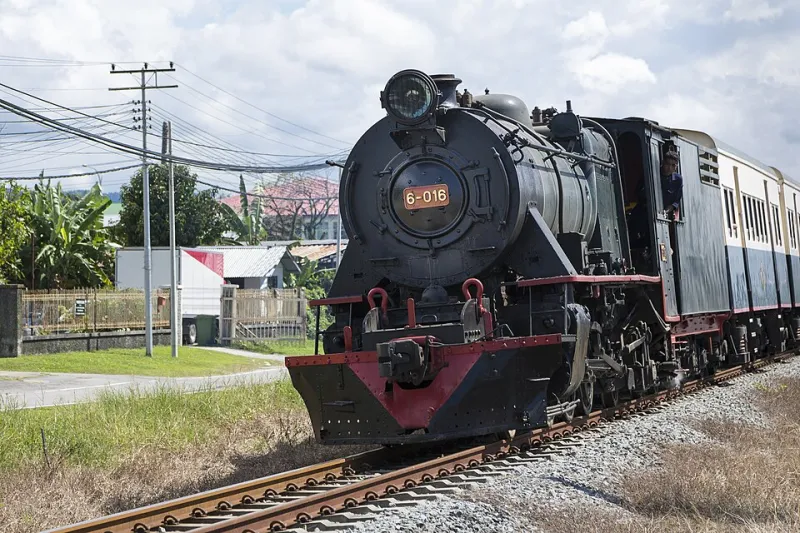
Photo: Cccefalon, CC BY-SA 3.0, via Wikimedia Commons
There is a particular sound a heritage railway makes when it is getting ready to leave: a door slamming somewhere down the platform, a bit of shunting, then the long sigh of a safety valve. If you have booked a bungalow ten minutes away, you get to hear it twice — once on the way out, and once again when the last train of the day has gone and the station goes quiet.
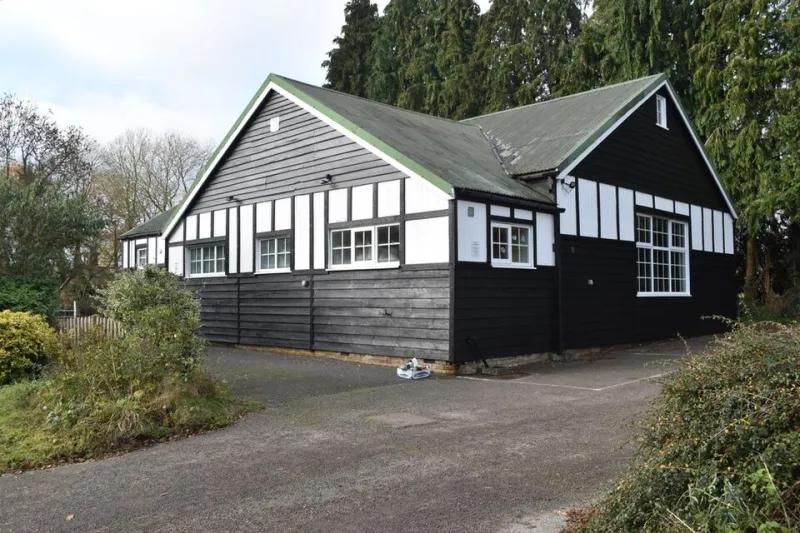
That is the appeal of building a weekend around a preserved line rather than simply visiting one. You are not chasing an attraction; you are borrowing a rhythm. And a single-storey stay suits that rhythm better than almost any other kind of accommodation — no stairs to negotiate at half past six in the morning, somewhere sensible to hang wet coats, and a garden to sit in while you work out whether the 14:40 connection is worth the bother.
Why level floors and early starts go together
Heritage railways are, almost without exception, morning businesses. The first departure is often before eleven, the engine shed is best visited before the crowds arrive, and the buffet runs out of sausage rolls by two. A bungalow takes the friction out of that: kettle on, boots on, out of the door, no staircase between you and the day.
They are also good for the other end of the trip. You will come back with damp jackets, a bag of coal-scented washing and, in my case, at least one souvenir mug. A single-storey layout with a porch or a utility corner makes that easy. So does a driveway you can actually turn round in.
Read the timetable before you book the bed
This is the single most useful piece of advice in this article. Preserved lines do not run like National Rail. Some operate only at weekends outside school holidays. Some run Wednesdays and Sundays. Some run every day in August and then nothing until half-term. Gala weekends sell out. Santa specials sell out in September.
Check three things before you commit:
- Which days the line is actually running in the month you want to travel.
- First and last trains of the day, because a bungalow two miles away is a long two miles when the last service has gone.
- Whether the station is a request stop, which several rural lines still operate. You will need to signal the driver, and you will need to know the routine.
Day rovers are usually the best value if you plan to get off and on. Many lines sell them online, and booking ahead often saves a queue at a small booking office that has one window and a volunteer with a card machine that works when it feels like it.
Steps, ramps and running boards
Heritage carriages are beautiful and old, which means they predate most modern access standards. Expect a step up from the platform, narrow doorways, and corridors you walk down at an angle. That is fine for most people and worth planning around for others.
Most preserved railways now run at least one accessible coach, often a converted vehicle with a ramp and a wheelchair space, but it usually has to be requested in advance — sometimes a day or two, sometimes just a phone call on the morning. Platform heights vary from line to line and even station to station, so ring the line directly rather than relying on a general description online. Enthusiasts' forums are useful for detail but go out of date quickly.
If you are travelling with someone who finds steps difficult, ask two questions: which coach, and where is the ramp kept. The answers turn a stressful boarding into a five-minute job.
If the weather turns
A wet day on a heritage railway is not a disaster; it is arguably the point. Steam, rain, a lamp-lit platform and a cup of tea from a buffet that has been doing the same thing since 1953 — that is a decent afternoon by anyone's standards.
Have a backup anyway. Engine sheds and museums attached to larger lines are mostly under cover. Carriage sheds at places like the bigger Welsh and Midlands operations can absorb an hour or two. And if the line itself is shut, a bungalow with a decent sofa, a pile of books and a village pub within walking distance is not a bad place to be stranded.
Eight bases, eight lines
1. Porthmadog, Gwynedd — for the Ffestiniog and Welsh Highland. A bungalow on the flat edges of town puts you within walking distance of both stations, which is a rare treat: narrow-gauge trains in two directions, one of them climbing properly into the hills. Book a day rover and do not attempt both lines in one afternoon.
2. Tywyn, mid-Wales — for the Talyllyn. The world's oldest preserved railway runs from a station that is genuinely a two-minute walk from the seafront. A single-storey stay near the promenade gives you trains in the morning and a flat, level walk along the coast in the evening.
3. Bewdley, Worcestershire — for the Severn Valley. Bungalows on the quiet lanes above the town mean you can walk down to the river, catch a train north towards Bridgnorth and come back to a garden that catches the last of the light. Watch out for the hill on the way home.
4. Horsted Keynes, West Sussex — for the Bluebell. A village base here is quieter than Sheffield Park and gives you a proper country-station experience without the car park. Check which days the line runs; midweek service is seasonal.
5. Grosmont, North Yorkshire — for the North Yorkshire Moors. Steam, a level crossing, an engine shed and a village shop, all within a few hundred yards. A bungalow on the lower side of the village saves you a climb, and Pickering is a short drive or a train ride away.
6. Broadway or Toddington, Gloucestershire — for the Gloucestershire Warwickshire. The line's northern terminus sits below the village, and a single-storey stay on the edge of Broadway gives you an easy walk down to the platform plus a high street for the rest of the day.
7. Llangollen, Denbighshire — for the Llangollen Railway. The Dee valley does most of the work here. A bungalow near the town centre keeps the river walk, the station and the pubs all within reach, and the line's run towards Corwen is one of the prettiest short journeys in Britain.
8. Swanage, Dorset — for the Swanage Railway. Steam down to Corfe Castle and back, with a level seafront for the rest of the weekend. Single-storey stays on the flat side of town make this a genuinely car-light break — park on Friday, walk or take the train after that.
The flask rule
Take a flask. Every heritage railway in the country has a bench somewhere with your name on it, usually facing a water tower, and the tea in the buffet is never quite hot enough by the time you reach the far end of the platform. A flask, a couple of biscuits and twenty minutes of watching a locomotive being turned is one of the better ways to spend an afternoon in Britain.
Pack for standing about: a waterproof that actually repels water, something warm under it, and shoes with a bit of tread for gravel platforms and oily footplates. Bring cash for the second-hand bookshop and the raffle tickets. And print the timetable, because signal at these stations is patchy and the guard will not wait while you find the Wi-Fi password.
Book the bungalow first, the trains second, and leave the rest of the weekend deliberately unplanned. The best moment on a heritage railway is rarely the one you scheduled — it is the ten minutes you spend talking to the volunteer in the signal box about a signal that has not worked properly since 1962.