Leave the Car, Read the Timetable: Eight Bungalow Breaks With a Proper Village Bus
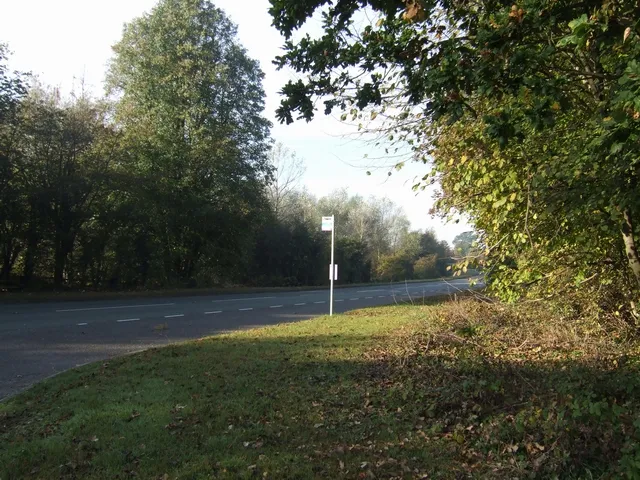
Photo: John M, CC BY-SA 2.0, via Wikimedia Commons
Some holidays are built around a car boot full of walking boots and a vague plan. Others are better built around a printed timetable and a flask. This is a guide to the second sort: single-storey stays where the village bus is not an afterthought but the day’s small adventure.
A rural bus does more than move you from A to B. It gives a break a rhythm. You walk to the stop, you wait, you watch the lane rather than the satnav. Someone else takes the corners. You arrive in a market town with the smug feeling of having left the keys in a bowl.
Why let the bus do the driving?
Car-free breaks are often sold as a city idea, but some of the best bus days are properly rural. A hourly service into a market town is enough for a potter round the charity shops, a proper lunch and a slow look at a church. A twice-daily service to a village with a tea room is an event. The point is not to replace the car for every mile. It is to make the car optional for the day.
The practical rules are simple. Book a bungalow with level access and a stop you can reach without walking on a verge. Check the last bus back before you book the table. Ask whether the service runs on a Sunday. And treat the timetable as part of the holiday reading, not a chore.
Eight bungalow stays with a useful stop nearby
1. Marsh Harrier Bungalow, north Norfolk
A single-storey stay with a level path to the door and a wet-room shower. The stop is about six minutes’ walk along a pavement. The weekday service runs roughly hourly to Wells-next-the-Sea and Holt, with a reduced Saturday timetable. No Sunday service. Best fare: an operator day ticket, plus a PlusBus add-on if you are arriving by train. Honest note: the last bus back is early evening, so plan dinner accordingly.
2. Limestone Row Bungalow, Yorkshire Dales
Set on one level with a ramp to the entrance and a small garden. The village stop is two minutes away and gives you a handful of weekday journeys to Skipton and a nearby market town. Saturday is limited; Sunday is a community bus once a fortnight. Ask the owner for the current leaflet. Best fare: a return ticket is usually better value than two singles, and concessionary passes are worth checking before you travel.
3. Millstone Garden Bungalow, Peak District
A step-free bungalow with wide doorways and a gravel-free path. The bus stop is at the end of the lane, about four minutes on foot. Weekday services to Bakewell are reasonably frequent, but the Sunday service is seasonal and sparse. Best fare: a day ticket if you plan to hop off at a village and continue later. Honest note: the return stop is across the road, so look both ways twice.
4. Wychwood Level Lodge, Cotswolds
A low, single-storey lodge with no steps at the entrance and a shower seat on request. The stop is five minutes away on a quiet lane. The weekday bus to Burford and Cirencester is useful, with three or four journeys a day. Saturday is similar; Sunday is none. Best fare: a group save ticket if there are two or three of you. Also ask about the community bus that runs to the bigger supermarket on Wednesdays.
5. Cove View Bungalow, Pembrokeshire
A single-storey stay with level access and a patio rather than a lawn. The stop is a seven-minute walk, mostly pavement. The coastal bus to St Davids and Haverfordwest runs several times a day in season, less often in winter. Sunday services exist in summer but shrink out of season. Best fare: a day rover if you want to stop at two villages. Honest note: the wind at the stop is real, so take the fleece.
6. Hedgeley Haugh Bungalow, Northumberland
A bungalow with a level threshold and a boot room big enough for two sets of waterproofs. The stop is three minutes away. Weekday buses to Alnwick are steady enough for a market day, but the Sunday service is best described as optimistic. Best fare: a return, unless you are continuing by train, in which case ask for the rail add-on. The owner keeps a timetable in the hall; check it against the operator’s app.
7. Willow Batch Bungalow, Somerset
A level-access bungalow with a ramp and a path that stays firm in wet weather. The stop is just outside the gate. The weekday service to Wells and Glastonbury is useful, with a gap in the middle of the day. Saturday runs, Sunday does not. Best fare: a day ticket if you want to see both towns. Honest note: the last bus back is earlier than you think on a Saturday.
8. Rowan Bank Bungalow, Scottish Borders
A single-storey stay with a level entrance and a drying room. The stop is a five-minute walk. The bus to Melrose and Galashiels runs on weekdays and Saturdays, but the Sunday service is thin. Best fare: ask about a day return and any family ticket. Also check whether the stop is request-only; it is easy to watch your bus sail past while you admire the view.
The small print before you book
Ask the owner three questions: how far is the stop, is there a pavement, and what is the last bus back. Then check the operator’s website for the current timetable. Rural services change, and a 2026 leaflet can be out of date by the time you arrive.
If you need step-free access, say so plainly and ask for a photo of the route from the door to the stop. A level bungalow is only half the story if the lane has no verge. For fares, compare a return with a day ticket, ask about PlusBus if you are combining train and bus, and check whether your concessionary pass is valid at the time you want to travel.
A car-light break is not about deprivation. It is about letting the timetable make a few decisions for you. You may see less. You will notice more. And the car can have the day off, which is its own small holiday.