Measure the Doorway, Not the Dream: A Twelve-Point Step-Free Booking Audit
Booking a bungalow with mobility in mind should not feel like detective work. Yet the gap between a listing that says 'all on one level' and a stay that actually works for a wheelchair, a walking frame or a tired grandparent can be wide. This audit is for three-generation trips, for couples travelling with a parent, and for anyone who wants to book with confidence rather than hope.
Ask these questions before you pay. Ask for measurements, not adjectives. If the owner cannot answer, ask if they can check. A good owner will not mind; a vague answer is useful information too.
1. What is the clear opening width of the front door?
Not the door size. The clear opening width, in millimetres, once the door is open. A standard door may be fine for many walkers, but a wheelchair or a wide frame needs more room. Ask about the main entrance and any door you will need to use to get outside.
2. Is the wet-room threshold level, or is there a lip?
A shower that looks step-free in a photograph can still have a 10mm or 15mm lip at the tray. That is enough to stop a wheel, catch a walking stick or trip someone in bare feet. Ask for the height and whether the floor inside the wet room is level with the bedroom or hallway.
3. What is the path from the car to the door made of?
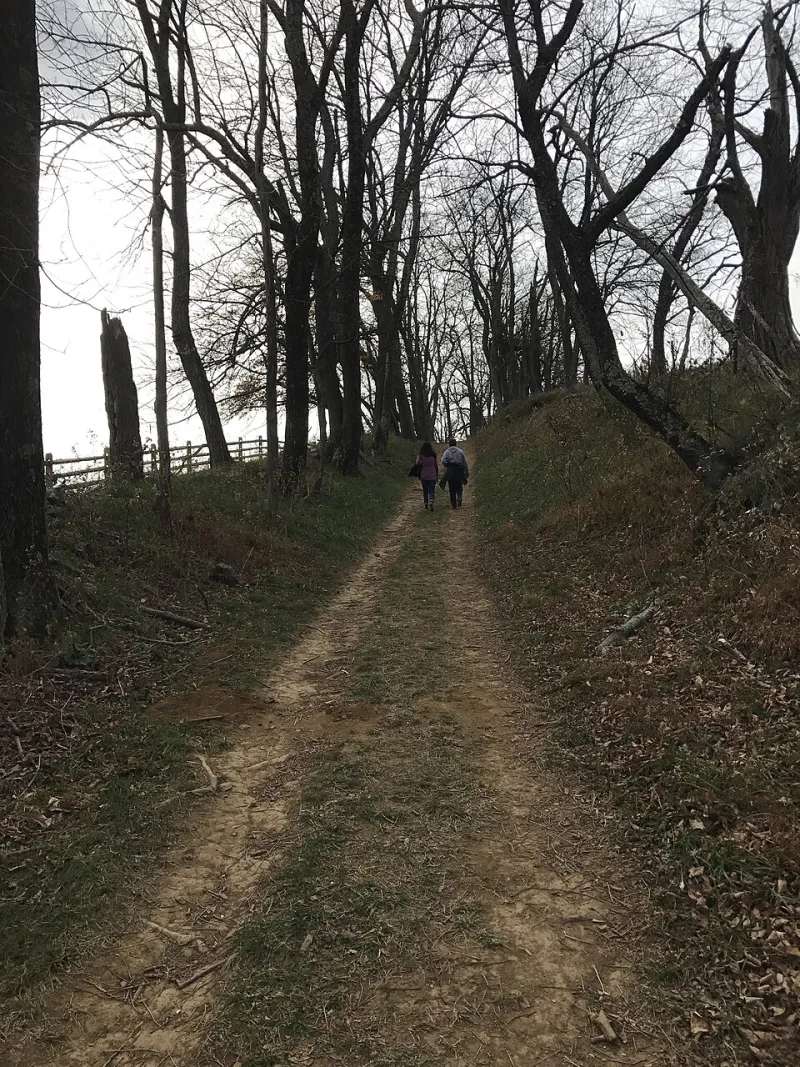
Loose gravel is charming until you are pushing a suitcase or a wheelchair through it. Ask for the surface: tarmac, paving, bound gravel, loose gravel, grass or bark. Then ask about the distance in metres and whether there are any slopes, kerbs or steps on the route.
4. How far is the parking from the entrance?
'Off-road parking' can mean outside the window or at the top of a steep lane. Ask for the distance in metres, the surface and whether you can stop close to the door to unload. If the answer is 'about a minute's walk', ask for metres.
5. How many steps are there at the entrance?
Even a bungalow can have a step or two at the door. Ask how many, how high, whether there is a handrail and whether a ramp is available. If a ramp is offered, ask for the gradient and whether it is fixed or temporary.
6. Is there room to turn and transfer inside?
Ask about the main bedroom and bathroom. A turning circle of around 1500mm is often quoted for wheelchair users, but the practical question is whether there is space beside the bed for a transfer. Ask if at least one side of the bed has clear space, and how much.
7. What is in the bathroom, beyond the grab rails?
Grab rails are a start. Ask about a shower seat, a lever tap, a non-slip floor, a raised toilet seat if needed, and whether the basin can be reached from a seated position. If you need a bath board, ask whether the bath is suitable rather than assuming.
8. Can the kitchen be used comfortably?
If you are self-catering, ask about worktop height, the hob, the kettle, the fridge and where the everyday plates and mugs are kept. A low-level cupboard may be easy to reach; a high shelf may not. This is not about luxury. It is about making a cup of tea without a negotiation.
9. Are the lights and switches within reach?
Ask about lighting in the hallway, bedroom and bathroom, and whether switches are at a sensible height. A bedside lamp is useful; a ceiling switch by the door is not. Night lights matter in an unfamiliar bungalow, especially if someone gets up in the dark.
10. Are there any internal thresholds or floor changes?
Room-to-room thresholds, a step down into a conservatory or a raised hearth can all catch a foot or a wheel. Ask if the flooring is level throughout, and whether rugs are fixed or loose. Loose rugs are a trip hazard; fixed flooring is not.
11. What is the mobile signal like, and how would you call for help?
Ask which networks work at the property and whether there is a landline. Ask for the nearest hospital with an emergency department and the approximate drive time. If someone in your party has a health condition, this is not morbid; it is basic planning.
12. Is there a written access statement, and who do I call if something is wrong?
A written access statement is worth more than a friendly 'it's fine for everyone'. Ask for it in writing, along with a contact number for the day of arrival. Check the cancellation terms too. If the property is not as described, you want to know the process before you book, not after.
How to use the answers
Do not accept 'accessible' as a complete answer. It means different things to different people. Write the answers down and compare them with what you actually need. If a door is 750mm and you need 800mm, that is not a judgement on the bungalow; it is simply the wrong bungalow for you.
Ask for photographs of the specific things that matter: the threshold, the parking surface, the bathroom, the route to the door. A good owner will send them. A great owner will tell you honestly if their place is not suitable.
That is the whole point of the audit. You are not looking for a perfect property. You are looking for a clear answer, so you can book the break and get on with looking forward to it.