Dawn From the Doorstep: Six Single-Storey Stays for People Who Like Birds
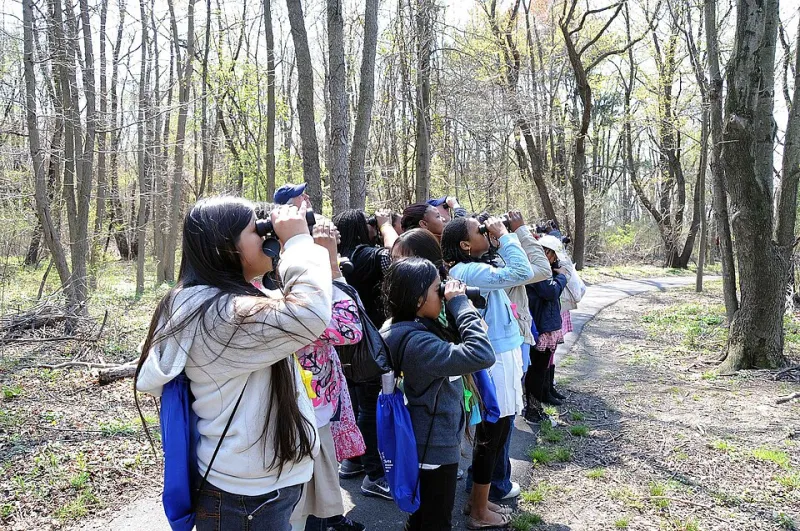
Photo: Walton LaVonda, U.S. Fish and Wildlife Service, Public domain, via Wikimedia Commons
Dawn From the Doorstep
There is a moment on a spring morning, roughly twenty minutes before sunrise, when a reedbed decides to wake up. It starts with one bird, then another, then a hundred, and within a few minutes the whole marsh is loud enough to drown out a car. Birders chase that moment for years. The main obstacle is rarely the birds. It is getting out of bed, into boots and out of a cottage hallway without waking the rest of the family.
This is where a bungalow earns its keep. When everything is on one floor, you can be up, dressed and out of the door in five minutes with the kettle left quietly boiling. No creaking stairs, no torch down a landing, no apologies. For grandparents, small children and anyone carrying binoculars, a scope and a flask of tea, the difference is not cosmetic.
Below are six single-storey bases we rate for wildlife, chosen for what is within walking distance rather than what is a nice drive away.
Why one floor helps at 5am
A single-storey stay removes most of the friction from a wildlife break. Kit can live by the door instead of upstairs. A child who wakes early can be taken outside without negotiating a staircase in the half-dark. And when the birding is over, the bathtub is at the same level as the tea.
There is a quieter advantage too. Bungalows tend to sit in gardens rather than above them, closer to ground level and closer to the hedgerow. That usually means more activity at the bird table while you eat breakfast.
The six stays
1. Near RSPB Minsmere, Suffolk
Minsmere is the flagship, and deservedly so: marsh harriers quartering over the reeds, bitterns booming in spring, avocets on the Scrape from March onwards. Single-storey holiday lets cluster in the villages west of the reserve, most with level access and a garden that backs onto a hedge. The reserve's paths are largely firm and accessible, and there are pushchair-friendly routes to several hides.
2. Near RSPB Titchwell Marsh, Norfolk
A wetland that opens directly onto the beach, which is a rare and useful combination. In summer the wader scrapes are busy; by November the same pools hold bar-tailed godwits and the dunes are worth scanning for snow buntings. Bungalows in the neighbouring villages are mostly one-storey conversions with parking at the door — useful when you are leaving at half five with a scope.
3. Near RSPB Leighton Moss, Lancashire
Bearded tits ping their way through the reedbeds here, and otters are spotted just often enough to keep everyone hopeful. The reserve has a well-known tramper hire scheme and accessible paths from the visitor centre. Staying locally means you can do a dawn session, come back for lunch and return for dusk without burning the day on driving.
4. Near RSPB Arne, Dorset
Heathland, not wetland, and all the better for the change. Summer evenings bring nightjars churring from the heather and glow-worms along the tracks. Dartford warblers and sika deer are reasonably reliable by day. The low, level bungalows in the villages nearby suit families well, and the final approach on foot is short enough for tired legs.
5. Near WWT Slimbridge, Gloucestershire
Winter is the season here. Bewick's and whooper swans return to the Severn Vale, and the hides look straight over the fields where they feed. The centre is famously easy to navigate, with level paths, good buggy access and plenty of seating. A bungalow a few miles away makes a two-day visit genuinely relaxed rather than a rushed day trip.
6. Near RSPB Lochwinnoch, Renfrewshire
A compact reserve with a big visitor centre, woodland trails and a reedbed hide that catches the early light beautifully. Good for mixed-age groups: short loops for small children, longer walks for the keener members of the party. Single-storey lets on the edge of the village keep the drive to the reserve under ten minutes.
What to look for, season by season
Spring. The dawn chorus peaks from late April into May. Bitterns boom, marsh harriers display, and the first warblers arrive. Go early — really early — and expect to be cold.
Summer. Quieter in the middle of the day, so aim for dawn and the two hours before dusk. Nightjars on heathland, terns over the coast, hobbies hunting dragonflies.
Autumn. The best month for surprises. Waders passing through, geese arriving, and the occasional bird that should not be here at all. Reserves often publish daily sightings on their websites.
Winter. Wildfowl take over. Ducks and swans in their thousands, short daylight, and hides that are far more comfortable than the car park. Take a flask.
Paths, hides and access for all ages
Most large reserves now publish detailed accessibility information, including which hides have level thresholds, where the nearest toilets are and whether mobility scooters can be hired. It is worth reading that page before you book anywhere, because a hide at the end of a muddy half-mile is a very different proposition with a pushchair or a walking stick.
For families, the practical rules are straightforward. Keep voices low near hides. Give children their own binoculars if you can — even cheap ones change the whole experience. And build in a reason to leave before everyone is tired, so the last memory is a good one rather than a meltdown by the bird feeders.
A word on dogs: many reserves restrict them to specific paths or exclude them entirely. Check before you assume, and check what the bungalow's own garden offers if a dog is coming along.
A small kit list
Binoculars, a scope if you have one, a flask, gloves, and a notebook you will actually use. A torch with a red filter is a kindness on nightjar evenings. Warm waterproof trousers are worth more than a fancy jacket. And pack a spare pair of socks, because the one thing every wetland has in common is a puddle in exactly the wrong place.
Book the bungalow, set the alarm for an hour you would not normally admit to, and let the marsh do the rest.